Vietnamese Cooking Class ~ Fried Saigon Spring Rolls
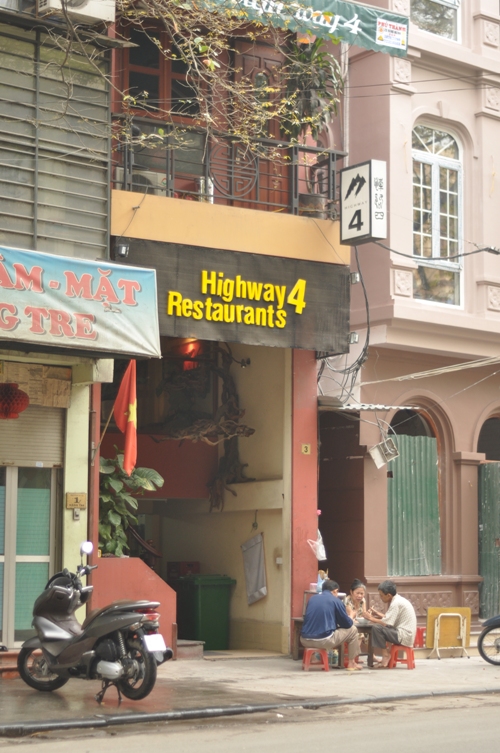
The Highway 4 Restaurant in Hanoi (located at 5 P Hang Tre) was by far our best and most consistently delicious food experience in Vietnam. It was also the restaurant where we made arrangements to take a cooking class.
Before embarking on a journey that would take us half way around the world and far, far away from our home in Canada we spent a considerable amount of time reading and researching all the different things the country has to offer. Asia is known for its food culture and many restaurants in Vietnam offer cooking classes to both the experienced and inexperienced cook. Perfect for us (Matt being extremely comfortable in the kitchen and me, well I am completely unsure of the whole cooking thing but LOVE CANNING). From home, we emailed back and forth with the manager of the Highway 4 Restaurant and made arrangements to take a cooking class on the first Saturday after we landed in Hanoi on Thursday April 21st. We figured we would be over the jet lag and ready to jump both feet in to this unique food culture.
The class started at 8:00am and we showed up to the Highway 4 Restaurant bright-eyed and bushy-tailed. First order of business was for our group of 8 to be transported via cyclos (which can better be described as bicycle rickshaws) to the Hom Market.

At the Hom Market our English-speaking tour guide, Teresa, gave a quick lesson on the importance of the street markets. And, despite the fact that in more recent years, the number of traditional street markets has reduced greatly to make way for more modern multi-storey trade centres, the popularity of the traditional street market still remains today. It provides the people with an excellent selection of meat, seafood, and fresh fish, fruits and vegetables, spices, flowers, fabric, and an assortment of other household items.


The markets are bustling with activity, scents and smells both delicious and disgusting, women trading, selling, and negotiating, and hundreds of people and motorbikes coming and going. It really is a site and experience unlike anything in North America…even Toronto’s China Town or St. Lawrence Market can not compare to these street market centres.
Teresa pointed out a number of different things found in the market from the fake money bought by the Vietnamese to burn or donate to their gods in order to bring their family more prosperity to the never-ending supply of fish sauce. We also stopped at a fruit stall to sample some milk fruit. We’d never seen this fruit before and were glad to be with Teresa when we tried it for the first time. Who would have known this fruit needed to be massaged before eating to change the fruit from its naturally sour state to something with a sweeter taste?

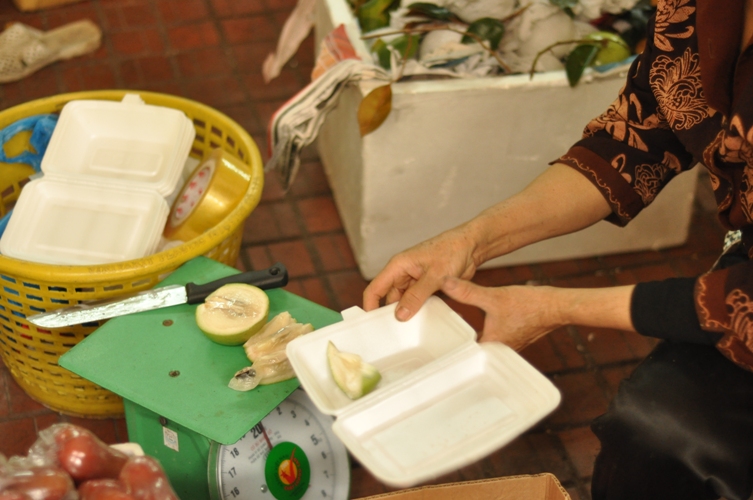
There were so many different fruits and vegetables surrounding us and the sights and smells from each stall left your head spinning. Another interesting fruit is the fruit of a thousand hands (it has no single English word equivalent). It tastes similar to a guava and is purchased mainly as an offering to the spirits in hopes of greater prosperity.

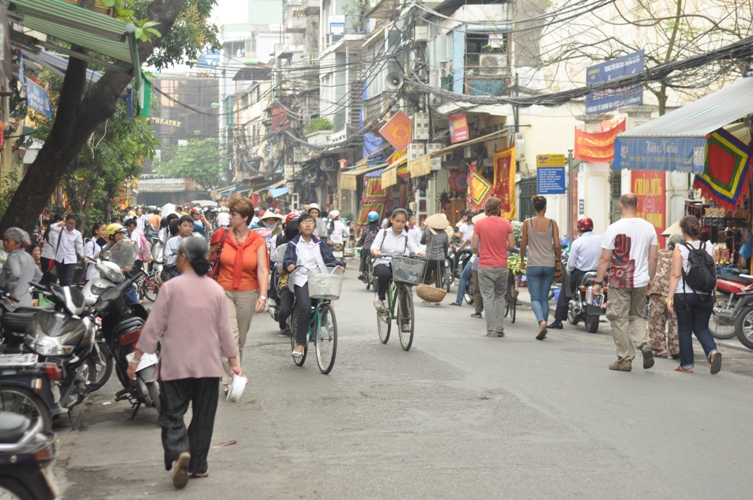
We exited the market back onto the busy streets of Hanoi where Teresa called for two taxis. Within minutes the cabs appeared to whisk us away to the other Highway 4 Restaurant where our cooking class would take place. Transportation in this country is always an adventure and can be difficult at the best of times but after multiple near motorbike misses and millions of honks later we all safely made it to the other restaurant.
Teresa escorted us to the fourth floor where we greeted the female head chef of the restaurant, changed into our chef’s uniforms, and began cooking our three course meal.
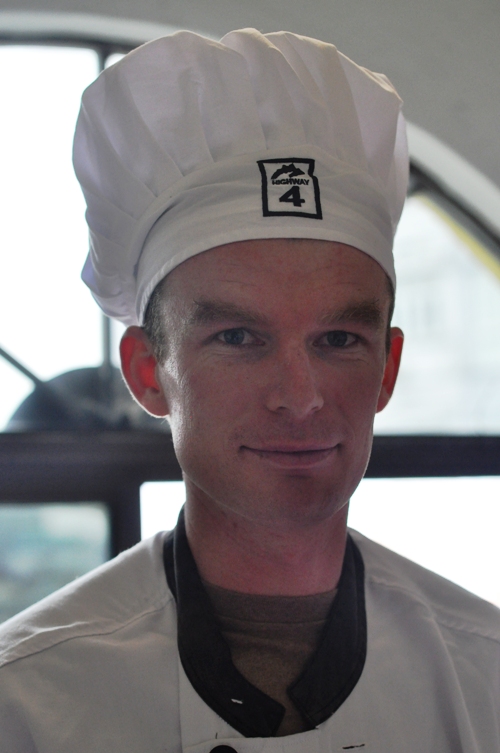
Over the course of the next few hours we prepared three dishes. First, the fish simmered in Fish Sauce. It took the longest to cook and could easily be prepared and cooking while we made the next two dishes. The fried Saigon spring rolls and the beef sautéed in black pepper sauce followed. While are were delicious our favorite was the Fried Saigon Spring Rolls and the Fish simmered in Fish Sauce would be a very close second.
RECIPE FOR FRIED SAIGON SPRING ROLLS (makes 8 spring rolls):
- onion 200 grams
- carrots 150 grams
- dried vermicelli 30 grams
- earwood mushrooms 30 grams
- shitake mushrooms 30 grams
- minced pork 300 grams
- 2 eggs
- round/square rice paper (1/2 a pack)
- chicken stock powder, fish sauce, pepper
RECIPE FOR DIPPING SAUCE:
- 2 ladles of both water and white vinegar
- 1 1/2 ladles of sugar
- 1 tablespoon of both chili sauce and cooking oil
- 1 teaspoon of both salt and fish sauce
- 5 gloves crushed garlic
- 1 chili; chopped
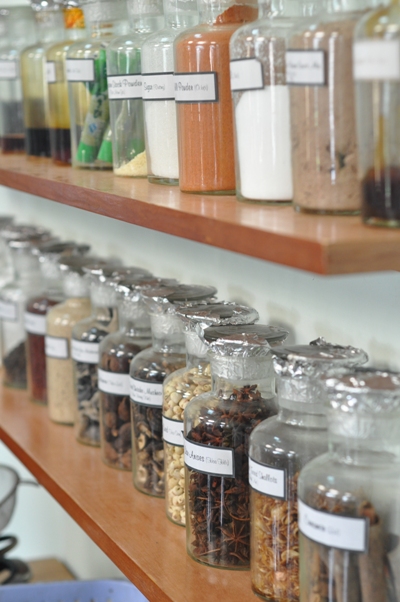
Note: The term “ladles” refers to a traditional asian spoon. It is the spoon used in most of our Chinese and Japanese restaurants. It is also the tool with which they use to measure ingredients. See ladles in photo below.

- Soak the dried vermicelli, earwood and shitake mushrooms in warm water for 10-20 minutes and then dry & finely chop.
- Finely chop onions and carrots.
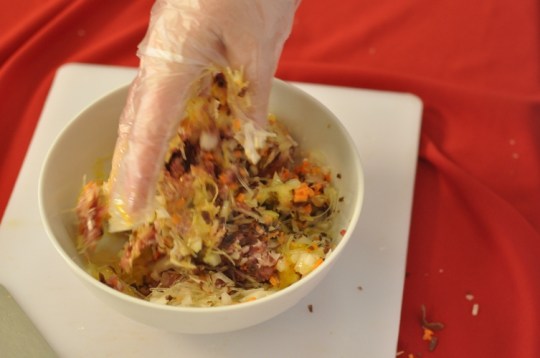
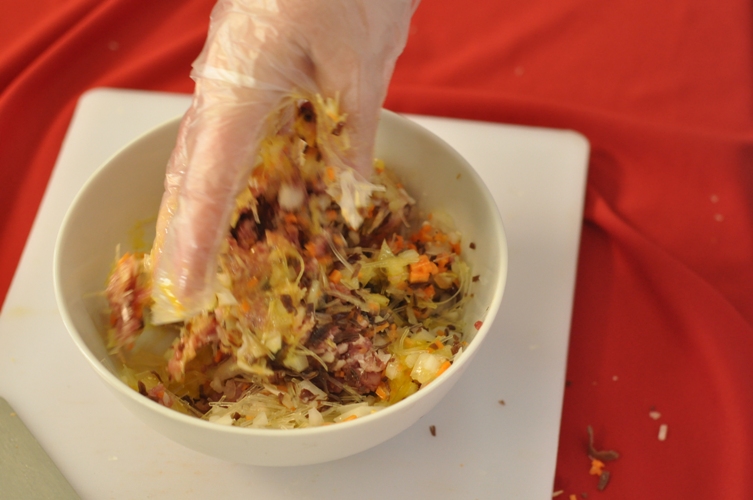
- Put all the prepared ingredients into a large mixing bowl, add fish sauce, chicken stock powder, pepper and chicken eggs. Note: the addition of the fish sauce, chicken stock powder, and pepper was all done by eye. (approx. a dash of each)
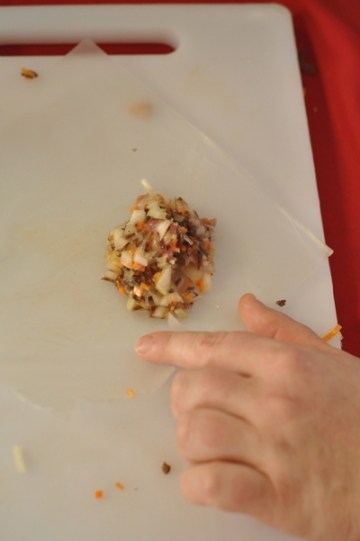
- Spoon a tablespoon of the prepared ingredients onto a sheet of rice paper before rolling. Remember that the shiny side of the rice paper should be on the outside.
- Pour some cooking oil into a frying pan, bring to a boil, add the spring rolls, turn down the heat and turn occasionally.
- Fry the spring rolls until their colour turns light brown.
- Make dipping sauce.
- Serve hot with herbs & dipping sauce and bun (fresh vermicelli noodle).

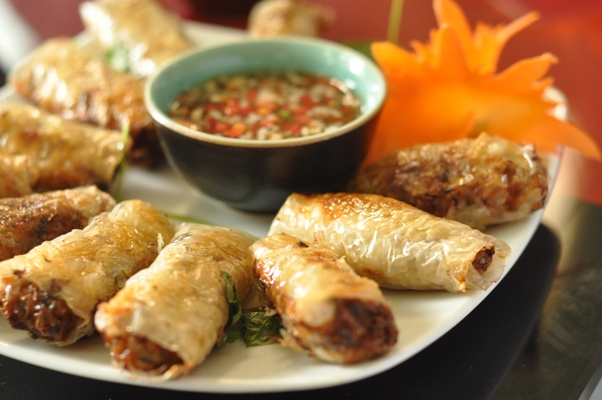
Once we finished making all three courses the entire class sat down to enjoy the meal. It was delicious!
Cruising Amongst the Karsts
It was an awesome day on the Gulf of Tonkin!! Our morning began with a short walk to the My Ngoc tourist office where we met up with two other couples who were going out for the same day trip adventure we signed up for. The boats are the most interesting looking vessels. They appear to be pieced together out of small bits and scraps of lumber, painted bright colours, with large masts and loud diesel engines. For a minute, you may question the safety but the captain seems confident and the situation appears to be under control. Agghhh, just relax “you’re on holidays!”
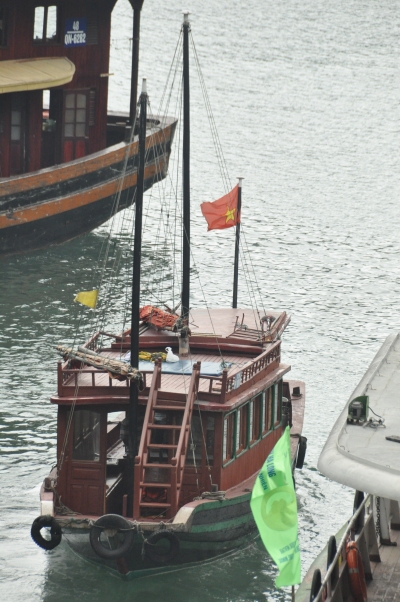
We cruised at a loud-sounding but slow-moving speed, past numerous tourist boats (like the one we were on but ranging in size and style) plus, small row boats being operated by a single person, usually a woman, and many floating homes and rafts.
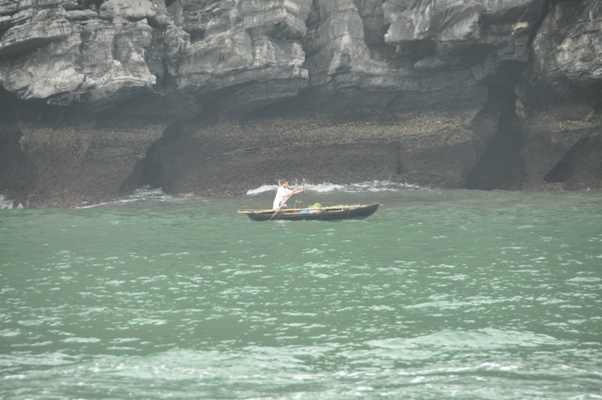
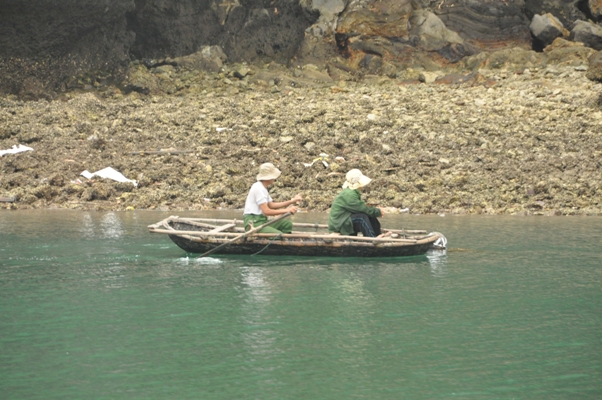
It appears as if many of the Vietnamese people, in this part of the country, live on the water in either their boat or in a small shack not much bigger than the ice huts we use for winter fishing in Canada.
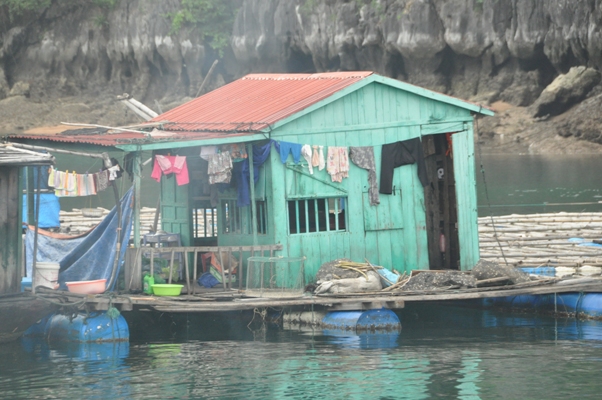
The raft structures surrounding the huts are extensive and cover vast parts of the water. I think there are nets in many of them where the live seafood (crabs, shrimp, and fish) are stored before being transferred to the markets and restaurants. It looks like a difficult life but one I imagine the people here are quite used to.
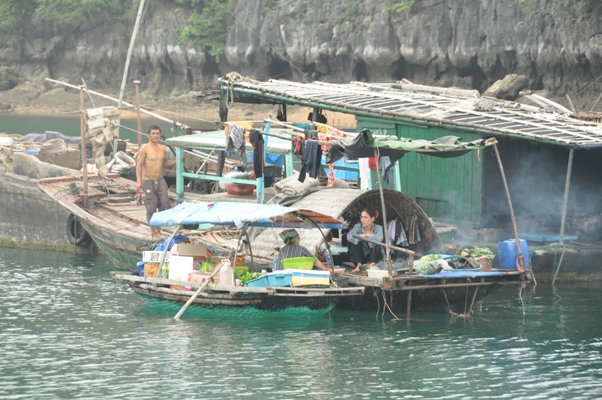
There are floating shops, kayak rental shacks, and we even saw a bank. It looked like something out of the movie Mad Max and Matt honestly could not stop taking photos.

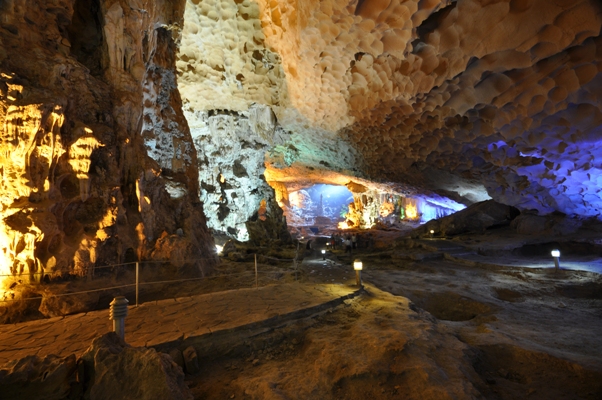
It took about 2 1/2 hours to reach our first stop the Hang Thien Cung Cave. The boat docked and we clambered up a steep set of stairs in the blistering heat to the entrance of the cave. The stalactites, stalagmites, and cauliflower limestone formations in the caves instantly transported you to another place.

“Are we still on planet earth?” The shapes of rock jutting from the floor and the ceiling were incredible, like nothing we’ve ever seen before.
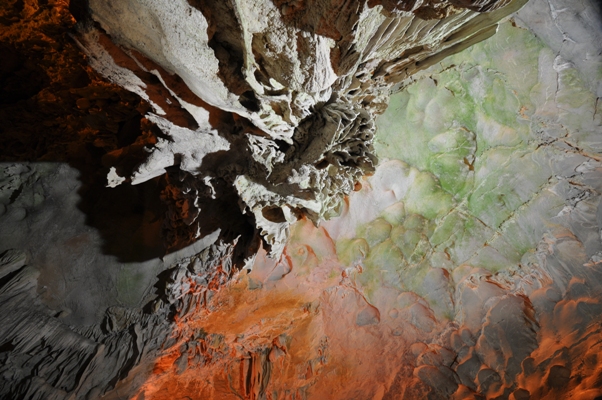
We took our time walking through the cave, stopping every once in a while to set up the tripod and take a few photos. Unfortunately, I don’t think any of the pictures really capture the natural beauty of a place like this.
The view of the docks below the cave exit was also worth several photos. Boats coming and going, people bartering and selling cold drinks, and women collecting shellfish along the shore. What a breathtaking view.

Back to the boat and we set sail again…destination unknown; no one speaks English (expect the really nice German couple also aboard). We stopped to visit a second smaller cave before the captain found a quiet place in amongst the many karsts to drop anchor so we could all jump in the water for a swim to cool off.
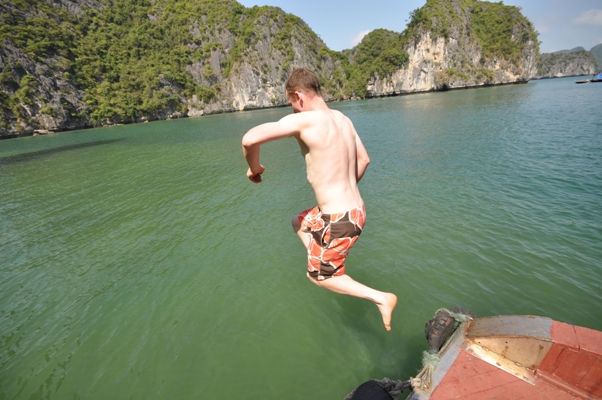
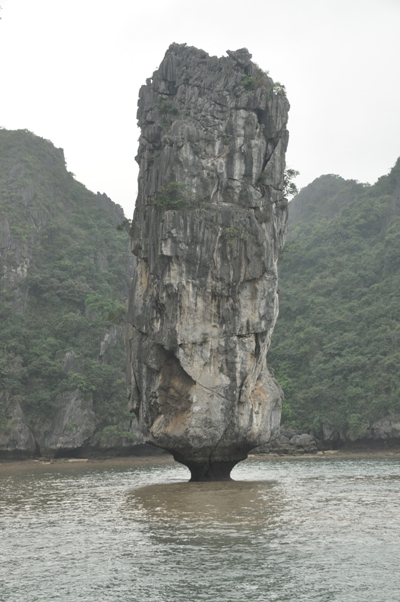
Oh, the water was so refreshing but we are guessing it was still about 80 degrees F. Matt and I ventured away from the group and swam into one of the karsts, through a small opening in the rock, and out around the other side. All the while the blue-grey water was crashing against the shell encrusted lower portion of the karsts. It was really cool.

All aboard…the day on this magnificent sea ship was nearing the end. It was about 3pm and time to start heading back to Cat Ba Island. You have to remember the top speed of such a craft is only about 8mph and if it took 2h30 to get out is was going to take the same amount of time to get back. What a fun day! We had blue skies and sunshine for the better part of the day and the sea was relatively calm.
It’s surprising how doing nothing but bake in the sun all day can work up quite an appetite. “What to do for dinner?” Matt and I decided to take another short boat ride out to one of the floating restaurants. We debated whether or not we really cared to go for a meal out there but then decided that if we didn’t we’d regret it. So onto another diesel spewing boat which delivers you to the floating restaurants about 400 meters from shore.
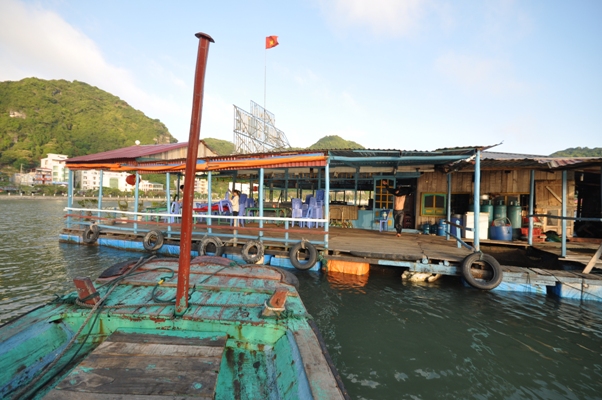
There you are greeted by the waitress who ushers you to the back portion of the boat, where nets in the water contain living fish and baskets contain shrimp, crabs, and an assortment of other shellfish.
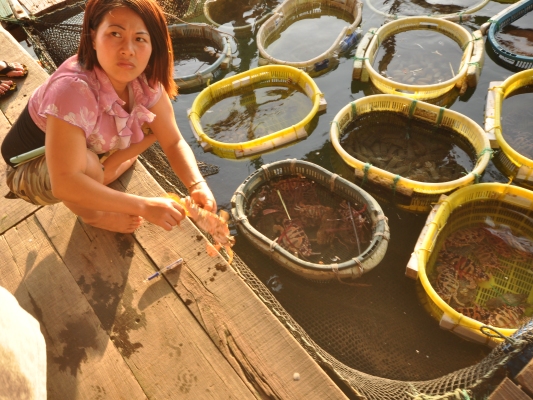
You select what you want and they kill it right then and there. Then, you are escorted to a table and asked how you would like your meal prepared. Matt selected a rather large fish which was steamed with vegetables and spices and I ate steamed crab.
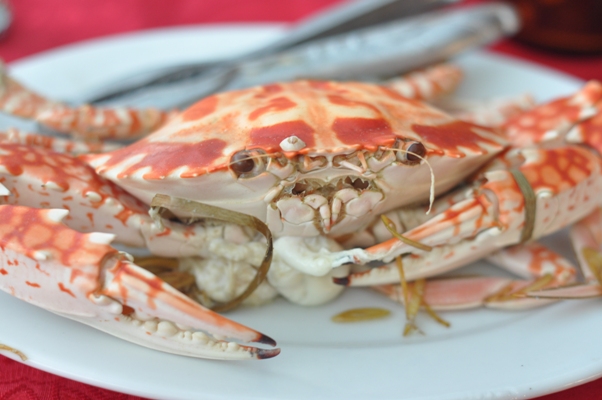
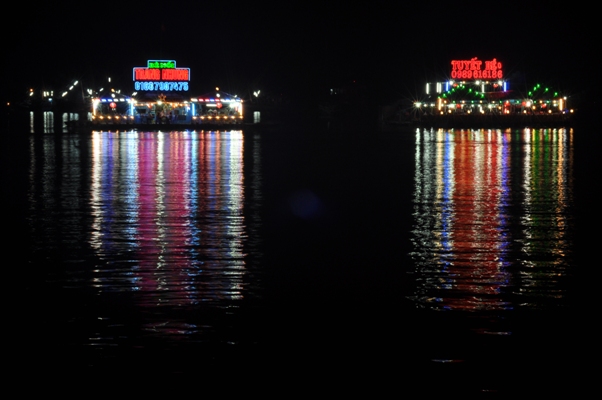
It was by far the freshest seafood dinner I have ever eaten. And, although I hate seeing animals killed it is an important part of the process and a great meal to end a perfect day! The night was upon us but we were too tired to do any more. So, with our feet planted firmly on solid ground, Matt snapped one last photo of the floating restaurants and we headed for the comforts of our 20C room at the Noble House.
Bees Flourish on Cat Ba Island, Vietnam
Surprisingly today, we slept until about 11am. And, I say “surprisingly” because we’re usually up by 6am and because our bed at the Noble House is as hard as concrete. However, you can never underestimate pure exhaustion…something that occurs in the boiling, humid, heat after countless hours of travel via train, bus, bus, boat, and bus again. It was a long and arduous journey to get from Sapa to Cat Ba Island and it took Matt and I a little over 16 hours to do it. Pretty good, considering there are no road rules, the trains are slow and rickety, and the boats top speed is no more than 5mph.
As fully refreshed as a couple of Canadians can be in the muggy heat of Vietnam we decided to spend the afternoon exploring some of the local sites. We hired a car, driver, and an English-speaking guide to take us for a tour of the Hospital Cave. Built during the American War between 1963-1965 it was used to provide safe accommodations for the northern Vietnamese soldiers and with operating facilities and a doctor on staff, wounded soldiers could get the care they needed. It was an interesting visit and clearly demonstrated how resourceful the Vietnamese were during the war.
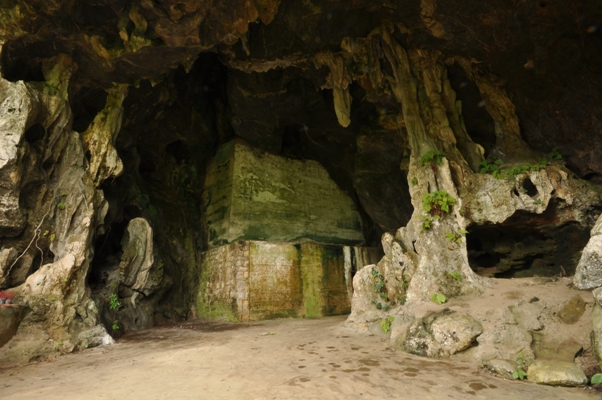
On the way back from Hospital Cave our driver took us to the local apiary, located across from the entrance to the Cat Ba National Park. The apiary owner welcomed us for a tour of his property and operation. He had thousands of bee hives scattered throughout his compound.
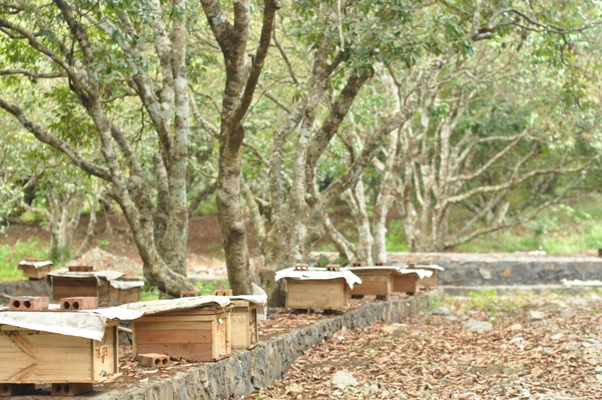
Situated in the middle of a lychee grove these bees have an abundance of food to feast on and seem to be thriving. The lush jungle appears to be an excellent place for an apiary with wild flowers and fruit trees providing them a never-ending supply of food.
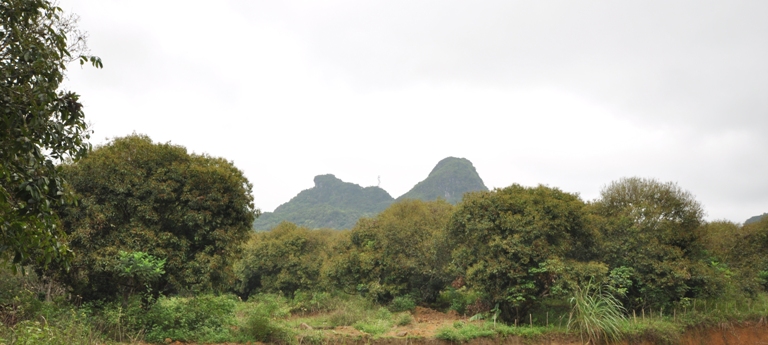
Even along the road side it is clear that bees are flourishing in the jungles here because every 10 feet you can spot a bee’s nest hanging from the trees.
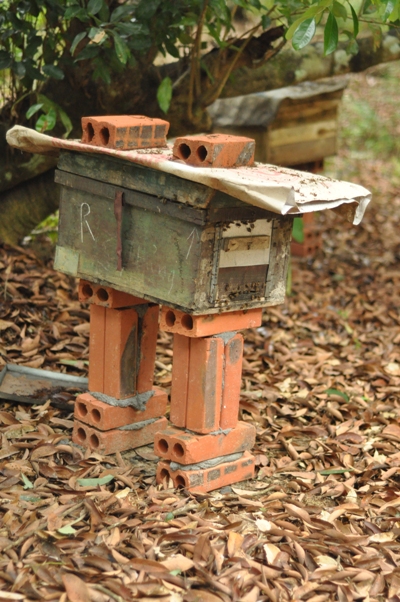
The honey collected at this apiary was a light golden colour and our driver assured us that it was the best on the island. I suggested to Matt that we purchase a bottle to eat along the way but better judgement prevailed and I eventually concluded that I didn’t want to risk a sweet sticky mess on our already dwindling pile of clean clothes. Our driver bought two bottles and we left this peaceful part of the jungle behind comforted in knowing there are bee keepers in the remotest parts of the world caring for the bees of the planet.
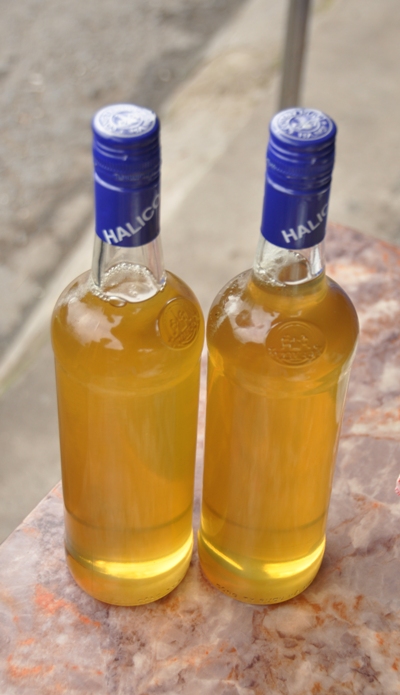
We intend to write more about bees, mono honey, and the role they play in our eco-system but that will have to wait until our journey in Vietnam is over.
Why is Cardamom so Expensive?
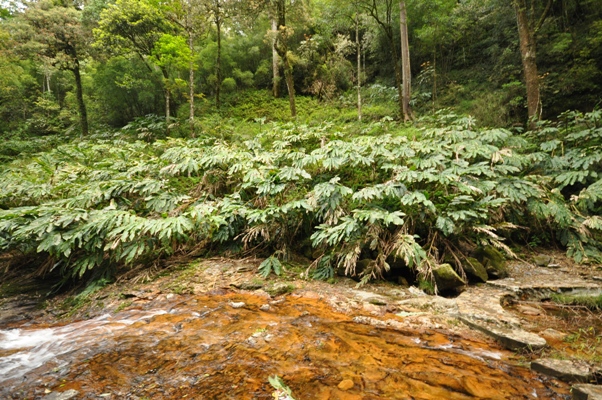
Have you ever stopped to wonder where some of the things we buy for consumption are grown and what it takes to harvest them? I bet you have. And, although we can use the internet to find out lots of cool information about where different spices, fruits, and vegetables are grown it is not very often that we get to see them first hand, growing in the wild.
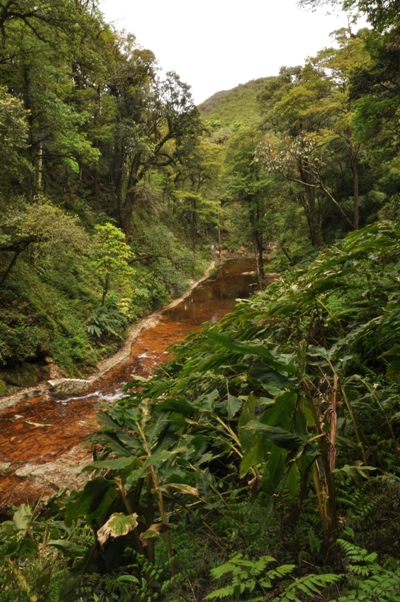
Here in the southern jungle and mountain ranges of Sapa, Vietnam cardamom grows everywhere. It is a large plant with thick stocks and huge leaves. It grows on the steep cliffs and mountain hillsides throughout the jungle.
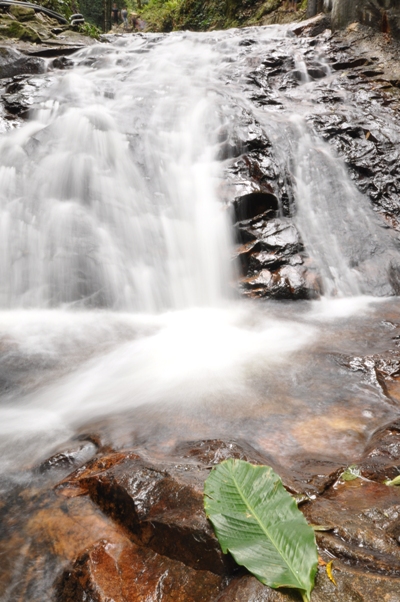
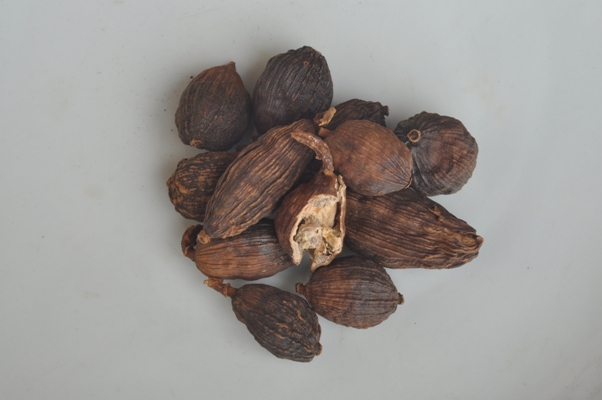
It is harvested by local Vietnamese as well as the H’mong people and sold in the markets everywhere. It looks very different from the green cardamom we purchase at home which is probably grown in India or maybe even Mexico. These pods are larger and a rich brown colour. We think it is black cardamom. It has a milder taste, more like a strong black pepper. We purchased 100 grams of cardamom pods for 100, 000 VND which is about $5. (Note: we picked up an additional 1kilo of cardamom for 250,000VND…now that is a good price!!!…the local price. Here you have to barter for everything and good negotiation skills come in handy.)We think it was a pretty good price and are interested in trying this variety in some of the Vietnamese dishes we plan to make at home.
The Vietnamese are famous for being able to combine sweet, sour, and savoury ingredients which gives their cooking lots of flavour. It is a delicate balance of tastes and they have mastered the skills of combining them. Cardamom is used in small amounts to add a savoury flavour to some of their soup dishes.
So, the next time you wonder why something is so expensive you can ask yourself, “where does this come from? And, would I be willing to climb up a mountain to collect it?”
Lunch with the H’mong
Yesterday, Matt and I trekked to the Ta Van village on foot with Mao, Mai, Máy, and La (three H’mong tribal women and Mao’s 10 year old sister La). The walk to the village is about 10km and it takes approximately 2h30 to get there. This all depends on how fast you walk, how many pictures you stop to capture, and whether or not you take the road or wander off on the quicker but more difficult small goat trails they are able to navigate with ease. We stuck to the main road and I was thankful especially after seeing how the trails wind and twist along the edge of rice terraces and mountains. They make all of the path walking look simple and do it in the worst little plastic sandels with no treads what so ever.
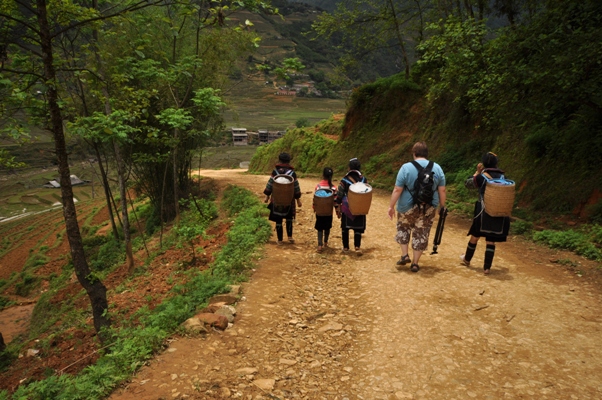
Matt stopped along the way several times to take photographs of the hillside, mountains, and rice terraces. The clouds were just perfect and the day was shaping up to be sunny with a cool blowing breeze. Perfect for the long walk.
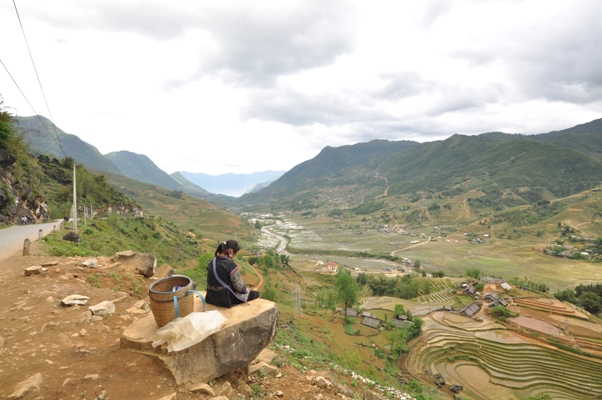
I walked with the girls enjoying the views and listening to them giggle and talk amongst themselves. If I questioned Mao she would tell me what they were talking about but most of the time I was happy to just listen. La ran about, up and down like a billygoat on the steep cliff ledges picking berries. These berries were a yellow-orange colour and tasted and looked very much like a small raspberry. We are guessing they are gooseberries!?! She collected the small ripe berries in little bowls she fastened out of large leaves and then shared them with everyone. She is the cutest little girl and we love watching her play with the children, talk with the women, and try to sell her mother’s textiles. She is always happy and smiling.
We entered Ta Van and made our way through the main part of town, past the schools and little shops. The main road through their village is a wide rocky path but Mao’s home is up higher on the hill above many rice terraces. The girls directed us to a narrow, steep trail on the right that would lead to Mao’s home. It was a muddy, slippery path at about a 50 degree angle that was made from years of their little feet navigating the way. Bamboo grew on one side while the rice terraces had been created on the other. Again, like Fansipan I wasn’t sure how I was going to get down but we had come all this way to have a homemade meal with Mao’s family and I wasn’t about to turn around.
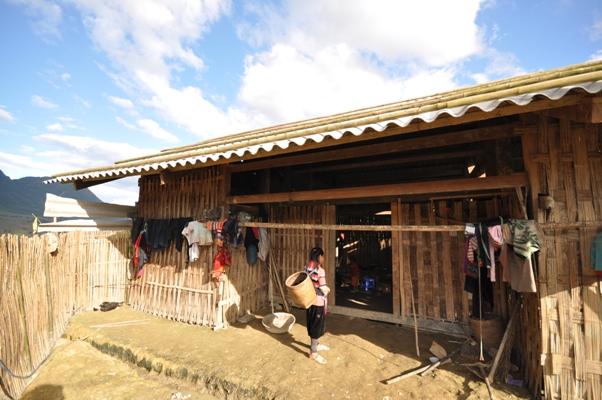
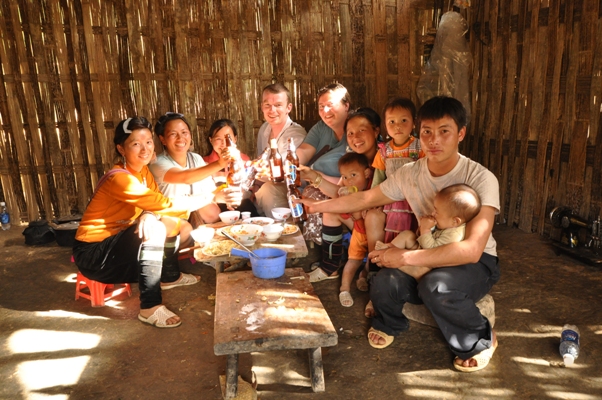
At Mao’s home we met her husband, Ching and their three children (Me, a 5 year old girl, Ba, 3 year old boy, and Ze, 10 month old little girl who Mao carries on her back). The children were all very dirty from playing in the clay mud but they were happy and well fed. It seems that among most of the H’mong families the men stay home and raise the children, tend to the house chores, cook the meals, and collect wood. While the women make and sell their goods or work planting hemp or other crops.
Before, we all got busy making lunch, everyone sat down to enjoy a cold bottle of beer. Matt had purchased half a dozen bottles in the H’mong village and Mai kindly carried them up…goodness knows I wouldn’t be able to carry them. After our drinks everyone worked together to prepare the meal. It was cooked over an open fire in their house.
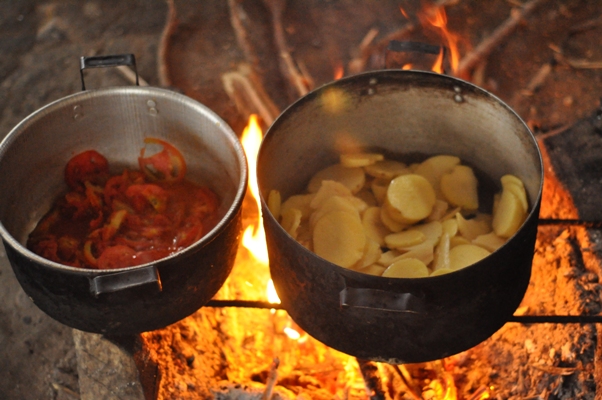
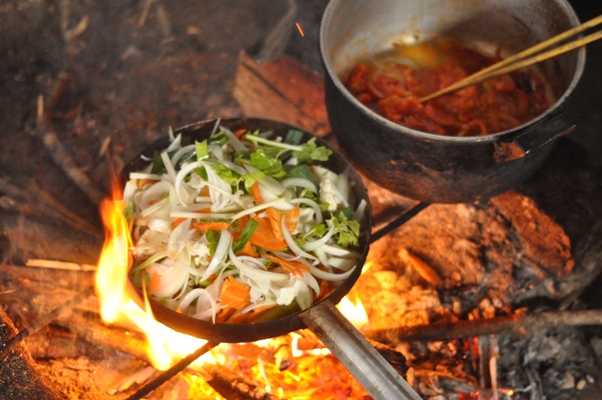
Their home is rustic but very welcoming. Built by 30-40 village men in one day, it is utilitarian with mud floors, a few small tables and short chairs for eating, two beds (one for Mao, her husband, and children and another for Ching’s father). It is all open with thin bamboo walls but the structure is sound and every joint is mortise and tennon.
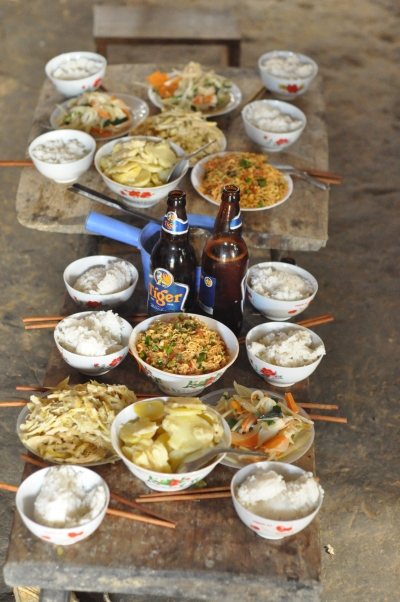
Then we all sat down to the most delicious feast of greens in soup, potatoes, vegetables, bamboo shoots, and RICE. After we were finished we drank some rice wine. It is the most powerful tasting liquor I have ever enjoyed and yet it has next to no effect on me…how can something that tastes like whiskey have such a low alcohol content!?! But, it does make them a little tipsy. It was a great afternoon and one that we will never forget!
Life in Ta Van Village ~ Vietnam
Yesterday Thuòng, Matt and I took a van ride to Ta Van and Lao Chai village, home to the H’mong and Red Dzao people. It is not a far walk from Sapa Town (about 8-10km) and the villagers can be seen making their way to and from the town many times a day, selling their textile bags, pillow covers, wallets, and jewelery. They make this trek look easy, but after descending Fansipan Mountain our legs were still somewhat tired and we decided a van ride to the village was best.
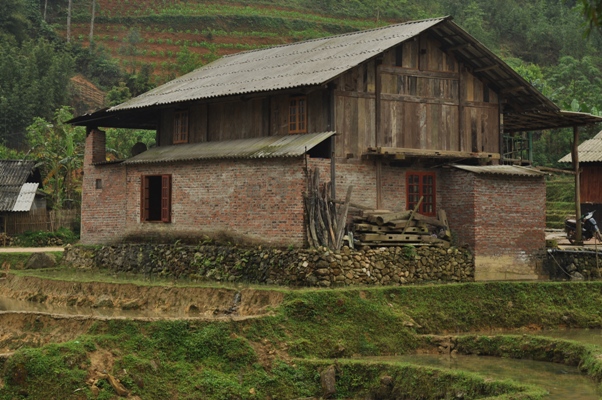
The tribal women spend their time in the village raising children, cooking meals, and making textile products to sell to the tourists. They make and die their cloth using locally grown indigo and cotton. The process is time-consuming and the tools very basic. Thuòng invited us into a H’mong home to see how the villagers live. Their homes are well constructed, clean, but utilitarian; however, they do have old tube TV’s!?! Tribal families live together in one home with grandparents, children, and babies. Ten or more people will occupy one dwelling of about 1200 square feet. The men work in the rice fields, make the baskets they carry on their backs and the jewelry the women wear and sell to the tourists.
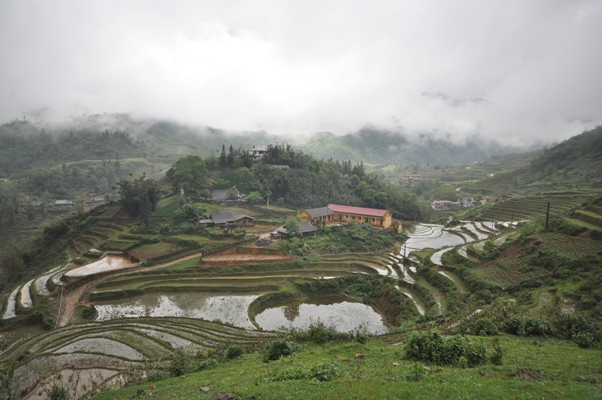
The village walk is a 14 km loop through the H’mong and Red Dzao area. You cross a bridge to enter the village and walk on rough stone and clay mud paths between rice terraces. On the way you pass many village homes, women travelling and selling their textiles, children playing, and people working their gardens and tending their animals. It is an authentic and very peaceful experience. It leaves you with a sense that there still are places where life remains the same even after hundreds of years. Women still spin their cotton on handmade wooden wheels, grain is milled with a large stone and pestle, and water is transferred using intricate irrigation systems made of bamboo and gravity fed from the mountains.
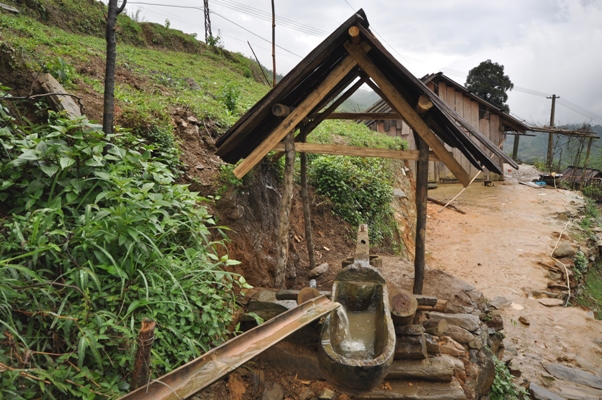
The three of us took our time in the village soaking up every moment. We stopped to visit the local stone carvers who make exquisitely detailed boxes, tea urns, chess sets and figurines. Their tools are very similar to the ones I use and we enjoyed watching them manipulate the stone as easily as I do with soft basswood. Their patience and level of detail is extremely impressive. These artists are very talented, each piece unique and we couldn’t help but purchase a few things as gifts.
Next, we stopped to eat lunch at a local restaurant where we could sit back and relax enjoying the fresh air and village views. The roughed untouched mountains in the background contrast with the detailed rice terraces that stretch for as far as your eyes can see. It is so different from anything that we have at home and a memory we won’t soon forget.
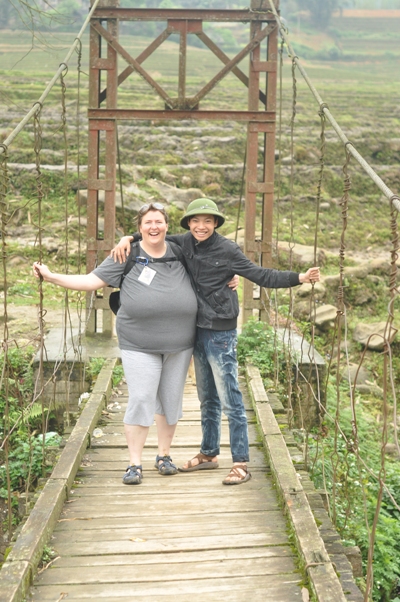
At the end of the walk there is a rickety old bridge over the Ta Van River which the boys couldn’t help but try out. It looked too scary for me and even Matt handed me his wallet and camera bag to hold just in case he fell in. Luckily, we are left with just a photograph and no wet clothing.
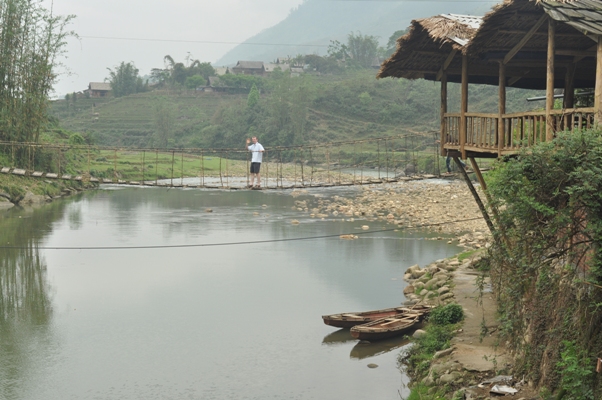
The van met us on the other side of the bridge to take us back to Sapa.
Seems like a pretty fun-filled day…right!?! Well, it’s not over yet. Back at the hotel Thuòng arranges for us to have a traditional bath in a round barrel full of warm medicine water. We are not really sure what’s in the water ~ it is a mix of leaves and twigs and it smells like red ants. It is supposed to clean your skin and relax your tired muscles. It was another very unique experience and one we were able to enjoy together. Afterwards you cross the hall and enjoy a vigorous full body massage. The bath and massage take well over an hour and is enjoyed for the extremely reasonable price of $10US per person. Unbelievable!?!
The day was over but the night was just beginning. It’s time to party Vietnamese style. Thuòng and Mr. Khánh met us at the hotel around 8pm to go out on the town. The first order of business, find a place serving Bia Hoi (fresh beer). Thankfully, they were able to lead us to a home at the end of a dark street where they sell the most delicious draft or fresh beer ~ Bia Hoi. It was a place that Matt and I would never have found alone and we were thankful to have Thuòng and Khánh directing our evening’s adventures. The four of us sat down around a small table with a pitcher of beer, some chips and hot chili sauce. We talked about how life was as Mr. Khánh would say, “for enjoying and tonight we would make great memories together. “ It was so amazing to actually make two new friends who’ve taken us in and made us feel welcome as good friends.

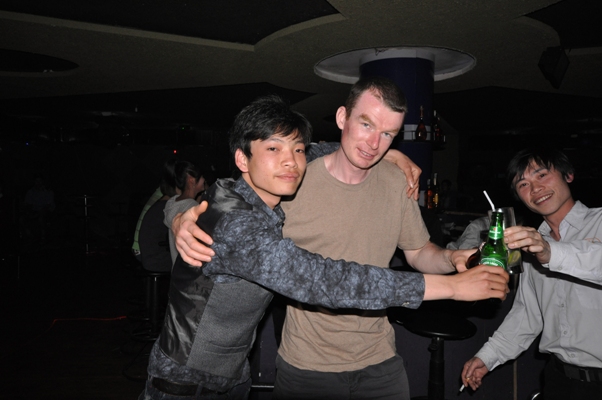
We drank many pitchers of Bia Hoi and then headed to the Eclipse night club for some dancing. All three of the boys were feeling great and Thuòng and Khánh ordered lemon water with sugar and salt which they drank to prevent tomorrow’s hangover. Interesting? I may try this myself sometime. Chúc Súc Khoé ~ Cheers!!


 Putting Up With The Turnbulls