Banana Chips ~ A Healthy Snack
Weekends are big around here. On our days off together, Matt and I try to pack in as many projects as we can. In fact, we’ve even cancelled our satellite programming for the next few months to give us no excuses. So far, so good (and, for those of you who know me that is saying a lot because I’m a TV junkie).
Saturday and part of Sunday morning was spent boiling sap and making our second batch of delicious Canadian Gold ~ Maple Syrup. Our second batch was as light as the first and would probably be classified as a Grade A Light to Medium. It looks great, nice and clear with very little sap sand. And, the taste is what gets me doing this year after year. Mmmm, it is so good! One spoonful is never enough and once you get a taste of that sweet maple flavour on your lips it’s hard to put the bottle away. Okay, I’ve got to stop writing about this because I’m beginning to need another sugar fix.
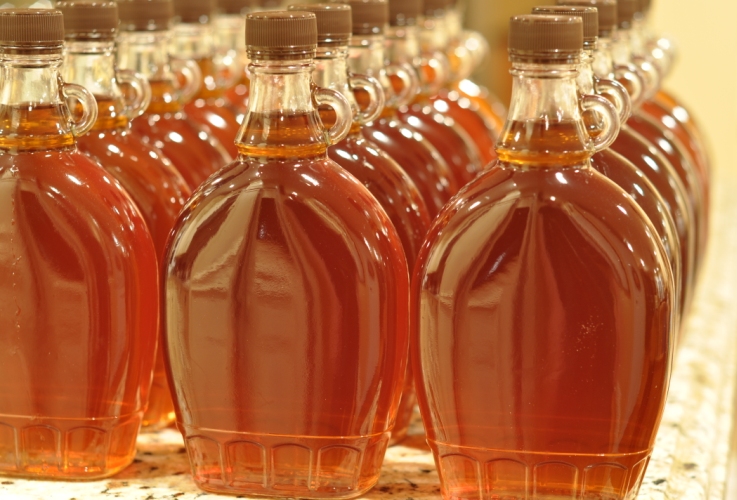
Put Up Total:
- 13 x 500mL
- 1 x 350mL
Once the maple syrup was all safely sealed in bottles and out of temptations reach, we could try our attention to the 12lbs of bananas we bought to dehydrate into chips. Dehydrating is a relatively easy project and makes great sense when you have a glut of fruits and/or veggies or can get something tasty for a great price. On Wednesday, we purchased our 12lbs of bananas for 39cents/lb. Yeah, that’s right 39cents! It’s a great deal and we have our local fruit and veggie store, Muskoka Vegeez to thank.
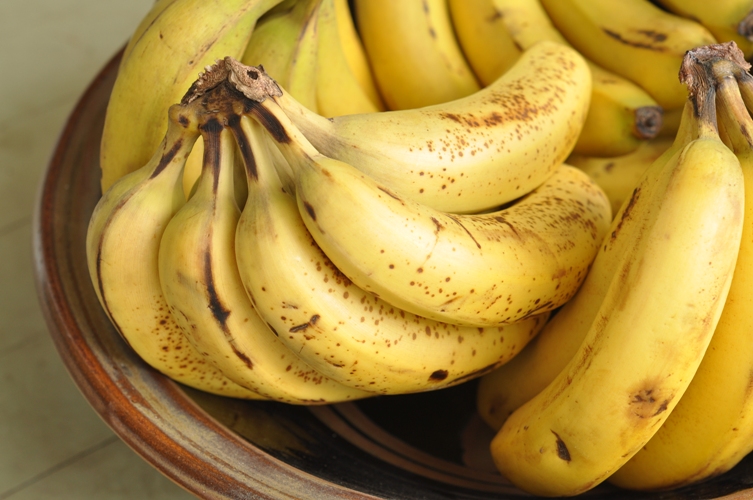
RECIPE FOR DEHYDRATING BANANA CHIPS:
-
bananas
-
Select ripe bananas and as many as you can dehydrate at one time. Our machine, the Excalibur 3900, has 9 large trays and holds approximately 12lbs of fruit or in this case 28 bananas.
-
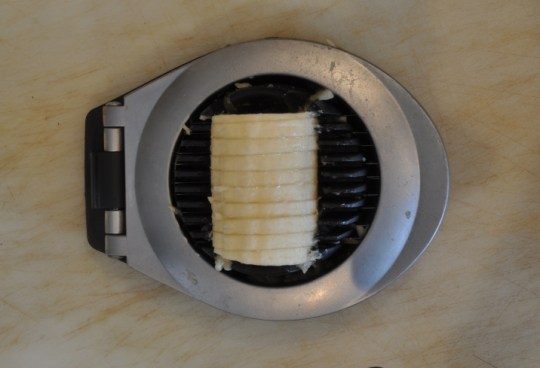
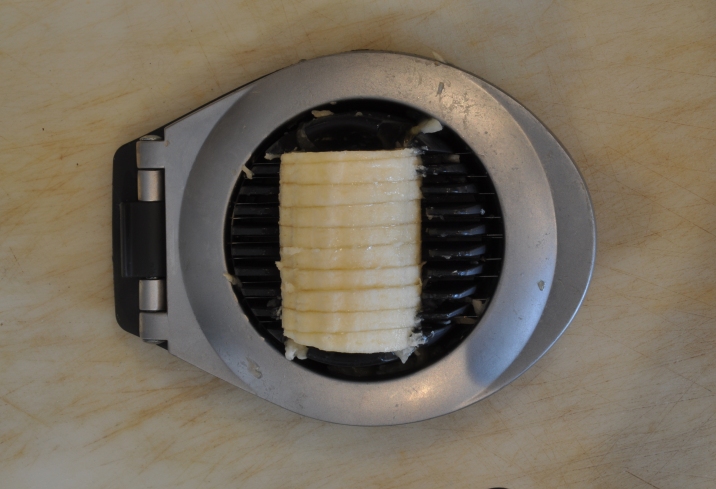
Slice the bananas in equal 1/8 inch pieces. The more evenly your fruit is sliced the better because it will dry evenly. One of our readers kindly mentioned that an egg slicer works well for a lot of these projects and she wasn’t kinding. The egg slicer works wonderfully! Thank-you Shenna for the suggestion.
-
Spread the pieces onto the trays and place into the dehydrator for 6-10 hours. We’ve set our timer for 6 hours and will check them for doneness at that time. If they are finished then we will remove them and store in air tight mason jars. If not, we will add more time and continue to check for doneness. Update ~ it took us 11 hours to dehydrate the banana chips. They are still chewy but safe for storage.
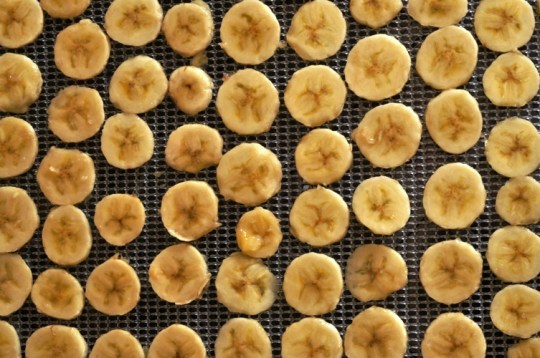
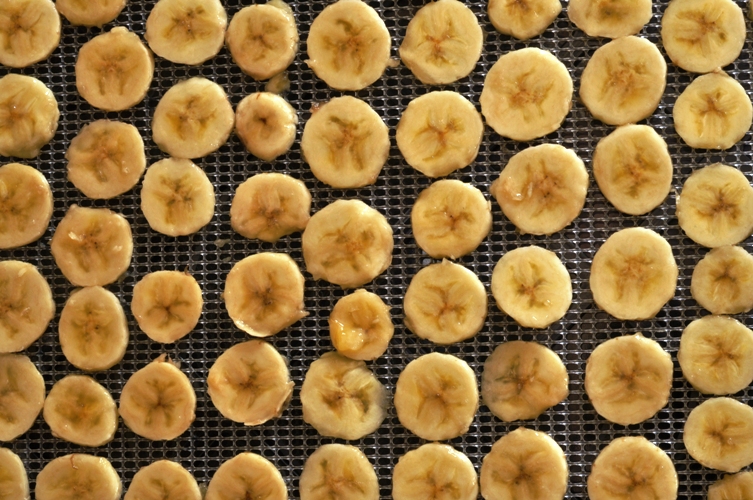
Sounds pretty easy doesn’t it!? It takes about 1 hour to slice and place all of the bananas onto the trays and that’s with one extra pair of hands.
Put up Total:
-
4 x 500mL regular mouth mason jars
-
1 x 1L regular mouth mason jar
From Russia With Love ~ Vanilla Extract
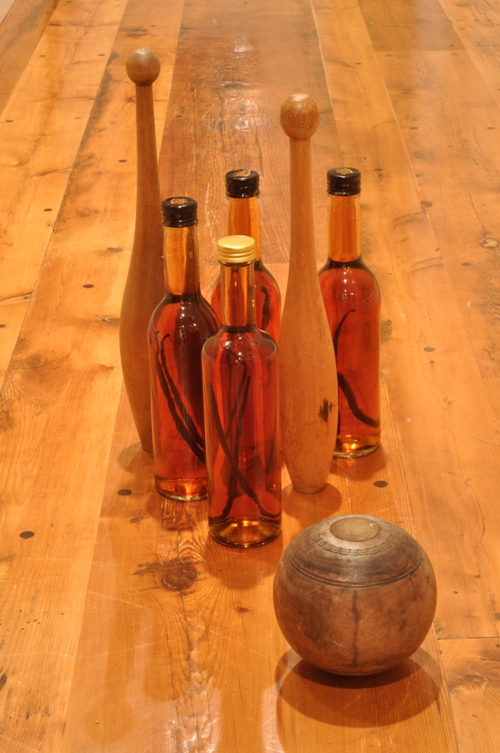
This vanilla extract is a knock out! Simple to make, easy to do, and highly recommended for those that love to bake and make simple preserving projects.
We started this project months ago and left this over sized bottle of vodka on the counter for over two months to mature. While, I suspect it could have been bottled ages ago, a little extra time doesn’t harm it at all. Many will suggest this is a great gift for Christmas and I’d agree, but don’t forget birthdays for those in your life that are born to cook. This stuff is much more delicious and special then that every day vanilla extract you will pick up at the grocery store. This stuff is made with pure ingredients and LOVE!
We started out with a big bottle of vodka and lots of vanilla beans (purchased inexpensively on eBay). Then, we waited a while…a long while…until today…when we decided that it was time to clear the counters and put this stuff into new bottles.
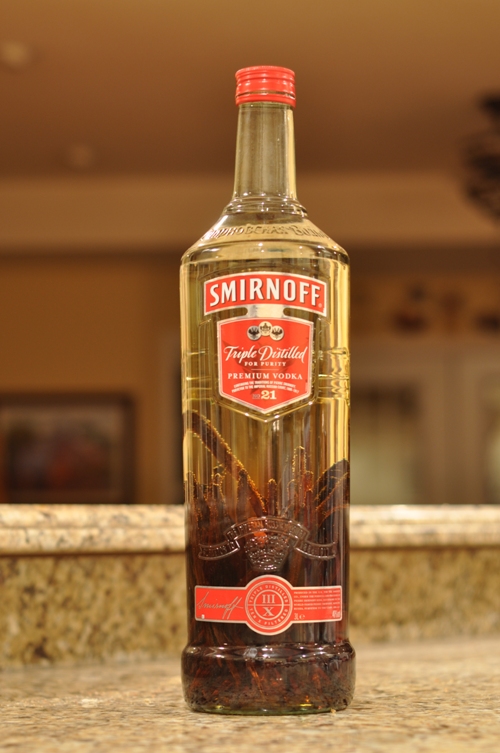
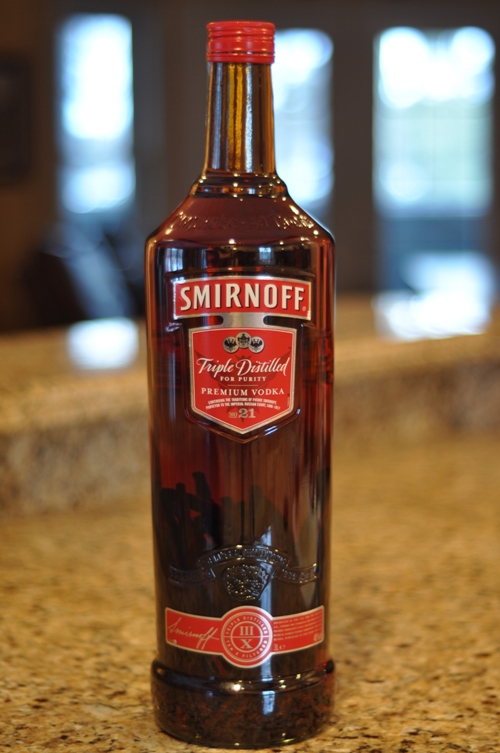
On the left, you will see the beginning stages, on the day the vanilla beans were added and on the right you will notice the change in colour after two months of maturing.
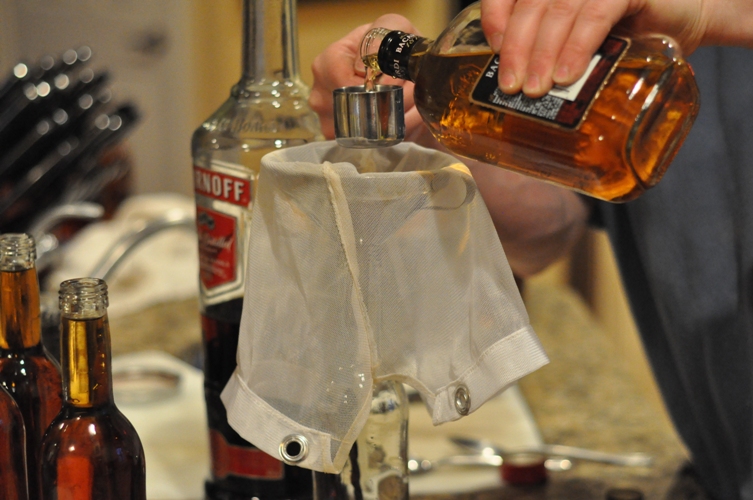
We poured this ginormous bottle (3L) of homemade vanilla extract into 6 x 500mL bottles. We added 1/4 of a cup of Barcardi Dark Rum and two new vanilla beans (split in half) to each bottle to enhance the sweet vanilla flavour. Note: we used a jelly bag to strain some of the loose vanilla particles.
Put up Total:
- 6 x 500mL bottles (reused)
Buckets of Ice to Bottles of Gold
Okay, admittedly it’s been a tough week for the maple trees and even us cold weather loving Canadians are tired of the arctic wind and below zero temperatures. But, that’s not going to stop us from boiling down the 160 litres (40 gallons of sap we collected initially). When it doesn’t warm up during the day the sap does not flow and this week was cold, cold, cold. Down right cold. We prefer to wait until we have at least 200 litres but sometimes you’ve got to go ahead as planned.
Creating delicious maple syrup is not a challenging or complicated task. It simply takes a good fire and some patience. The ratio is 40 to 1, meaning you need 40 litres of sap to produce 1 litre of syrup. Seems like a lot doesn’t it!?! This preservation project really should be done outside because it takes such a long time to reduce and hours of boiling on the stove is likely to create a sweaty, sticky, syrupy mess that can peel paint and strip wallpaper.
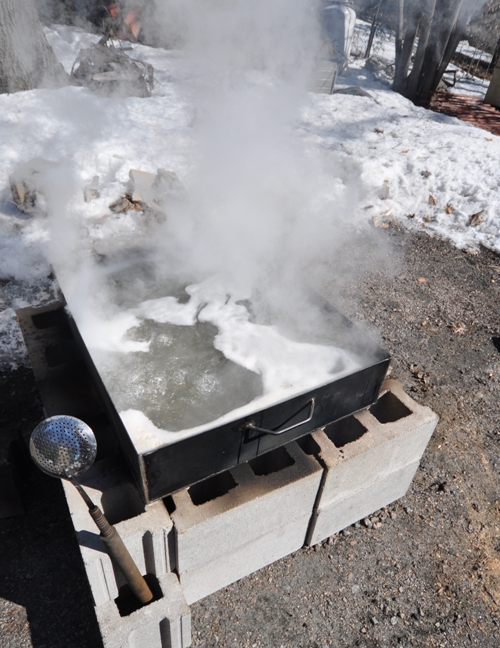
We contain a fire outdoors by building a pit to fit our sap pan. We use cement blocks, a patio slab, and piece of metal sheeting. It’s pretty makeshift but for now it does the trick. There are dreams of one day acquiring a more professional operation and lots of our friends have sugar shacks and better outdoor setups but we kind of do this on the fly, in between so many other things.
After you’ve built your fire, you can sit back for a while and enjoy a pint or two with friends but be sure to keep your fire blazing and the sap boiling. It takes hours and hours to reduce the sap to syrup. Our fire was lit today at about 11am and the maple syrup was in bottles by about 6pm. You know it is ready when it reaches 7.1 degrees F above the boiling point of water (here water boils at 212 degrees F). You can hold it at 219 degrees F for a short while to thicken it up but don’t let the temperature climb because that will create sugar crystals on the bottom and sides of the bottle.
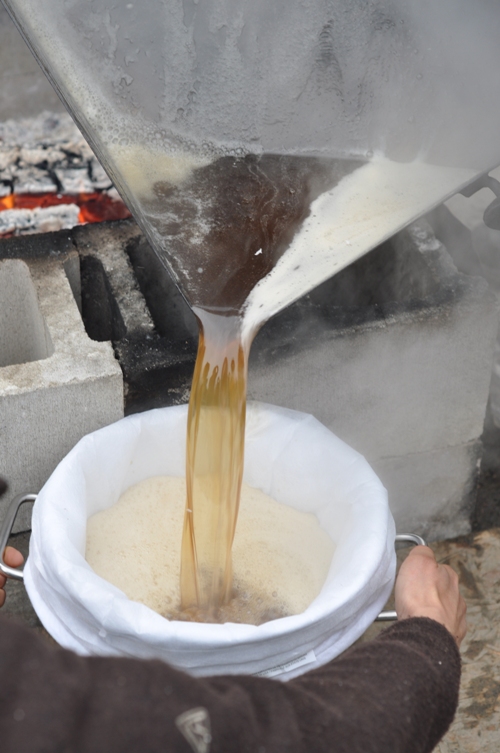
Depending on the size of your pan you may be able to finish it outside. However, today we filtered it outside but finished it inside. It is important to filter the finished syrup using a a gravity filter made of wool or orlon. This will remove most of the sap sand as well as any other debris. We removed the pot from the stove once it reached 219 degrees F and working quickly we ladled the hot syrup into hot sterilized bottles.
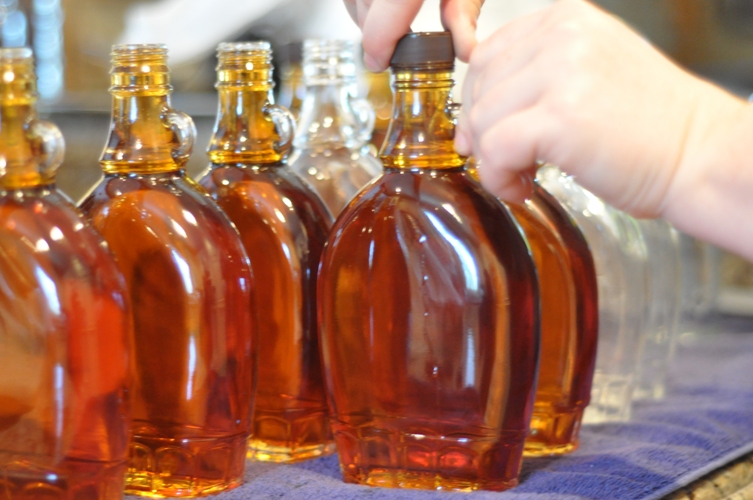
To ensure proper storage the syrup must be bottled at 180 degrees F so sterilizing your jars in the oven for 30 minutes at 250F and keeping them warm until you are ready is helpful.
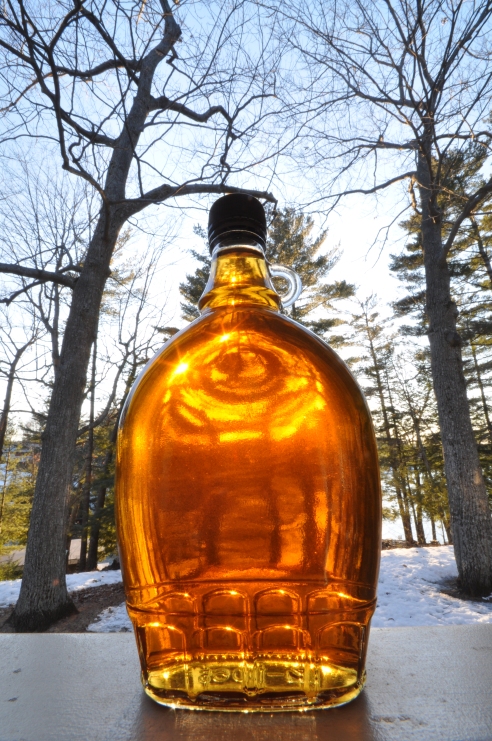
There are lots of tricks of the trade that we pick up from year to year by taking part in the boiling and bonding that occurs throughout our community so if you’d like to add something or ask any questions please don’t hesitate.
Put up Total:
- 1 x 350mL bottle
- 6 x 500mL bottles
Marilyn’s Charleston Gumbo
We’ve been home for a week but I’m still dreaming about Marilyn’s Charleston Gumbo. Most of the meal recipes we share here include some element of canning and preservation. For example, we may suggest adding salsa to spice up an omellette or orange marmalade cake with a chocolate glaze but rarely do we just share a meal recipe. However, an exception is in order with this one because Marilyn’s gumbo is out of this world!
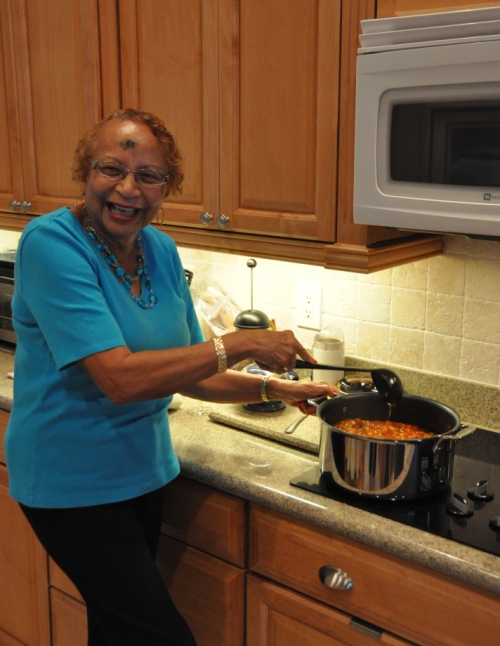 Marilyn, has been a family friend for over 20 years. And, she is the cook responsible for introducing me to one of my favorite southern dishes, gumbo. Every time we plan a visit to see family and friends in Florida, my mom makes sure to notify Marilyn and to take her a hambone with the soul purpose of being part of her gumbo creation. The rest of the magic occurs in Marilyn’s kitchen where she confesses “the recipe changes every single time depending on my mood and the ingredients on hand.” Inspite of her ever changing recipe, the constant is the down home southern goodness that makes your heart and mouth sing with every mouthful. Marilyn’s gumbo is the best and even now sitting here writting this I’m wishing there was a pot of it heating on the stove.
As we sat down to enjoy a steaming bowl of gumbo over rice, Marilyn chuckled as she remembered that this meal was a childhood favorite, a staple part of every Sunday dinner. Marilyn recalled, when she was ten “Everyone made gumbo. Aunt Mamie, Aunt Essie, Aunt Maggie, everyone! But your recipe is your own and devaition is allowed!” It’s amazing how sharing a meal can create such powerful experiences and memories that last a lifetime. The four of us laughed and ate and ate some more. It was a wonderful night with a dear family friend.
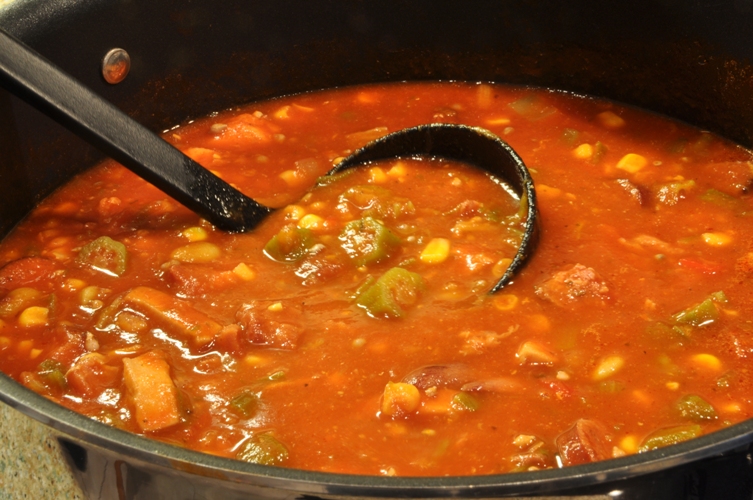
MARILYN’S CHARLESTON GUMBO:
- hambone or hamhock
- sausage, chicken, and/or cooked shrimp (approximately 3 spicy sausages, 2 chicken breasts, and/or 20 shrimp)
- 28 oz can of crushed tomatoes
- 1 jar (19 oz can or 500mL/pint jar) of tomato sauce (and more if needed at the end)
- 16 oz bag of frozen corn or use fresh corn
- 8 oz lima beans
- approximately 1 1/2 cups fresh okra, diced (okra acts as the thickening agent)
- 1 green pepper, chopped
- 1 large onion, diced
- 5 stalks celery, sliced
- 1 bay leaf
- 1 tbsp parsley flakes
- 2 tsp red pepperflakes
- 1 tsp black peppercorns
- 1/2 tsp garlic salt
- pinch of salt
- Cook hambone or hamhock in boiling water until tender.
- Slice sausage, cube chicken, peel shrimp, and cut meat off hambone. Add any combination to a pan and suatee until browned.
- Meanwhile, wash and chop okra, green pepper, onion, and celery. Sautee green pepper, onion and celery until soft.
- In a large stainless steel saucepan combine cooked meat (including hambone), sauteed vegetables and all other ingredients. Reserve shrimp, adding after the gumbo has cooked for at least 1 hour.
- Cook, stirring occasionally until the flavours have combined and the gumbo is thick. Approximately 1 1/2 to 2 hours. Additional tomato sauce is added to thicken the gumbo if needed.
As you can see this is a loose recipe and many of the quantities are left up to the chefs discreation but it’s a great start. Marilyn has been making this gumbo since she was a little girl and it changes every time. She encouraged us to make it our own and add whatever we had on hand at the time. Afterall, that’s what she does!
Maple Syrup ~ Melted Boots and Empty Bottles
I love, love, love this time of year! The smell of spring is in the air, people are starting to emerge again, peeking their heads out slowly to see if the snow is really melting and it is. And although, we are still experiencing below freezing temperatures at night that is a good thing because we need the cold nights with warm days to get the sap flowing. That’s right it is maple syrup making time again. Another reason we love, love, love this time of year!
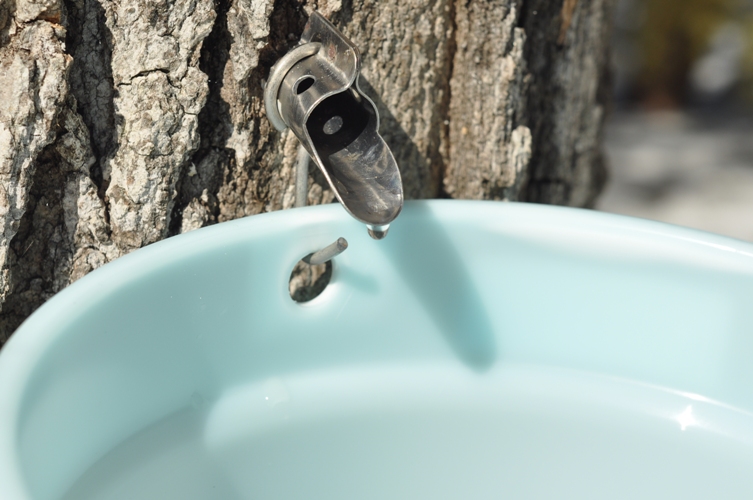
Yesterday, Matt and I tapped all of our maple trees and a few on our neighbours property. It’s a relatively new tradition for us but one that we hope to partake in for years to come. I can’t really explain what makes it so much fun. Maybe it’s that our friends are constantly dropping in to share a bottle of beer up against the warm flames or maybe it’s the simplicity and wonderment of the process. Whatever makes us Canadians get up to stoke the fire at ridiculous times of the night it is a tradition that many of us continue and look forward to from one year to the next.
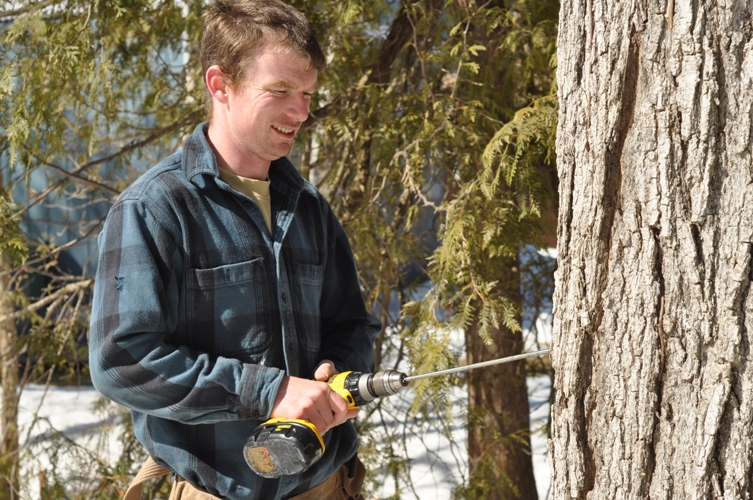
There are lots of great websites out there that can provide you with the necessary information about getting started. We found this four page document from The University of Maine helpful and definitely worth a read. The supplies are fairly basic and readily available at most hardware and supply centres. We are fortunate to be located about 45 minutes north of Ontario’s largest Sugar Bush Supply Store, Atkinson Maple Syrup Supplies. The people there are extremely helpful and the store has everything you need for tapping trees and creating your very own liquid gold.
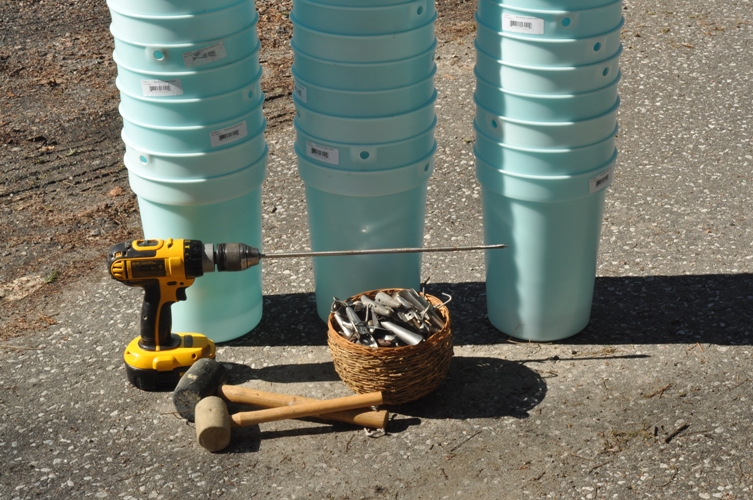
To start, you will need a drill with a 7/16″ drill bit (we used a 1/2″ and it worked well), spiles for each hole, a hammer, sap pails, and lids. To finish, you will require a pot or pan, filter bags, a sieve for removing the foam, a thermometer, and glass jars or bottles. Oh, and a place outside to have a fire. So, let’s get tapping, drinking, and making some syrup.
Strawberries in Light Syrup ~ The Berry Saga Continues…
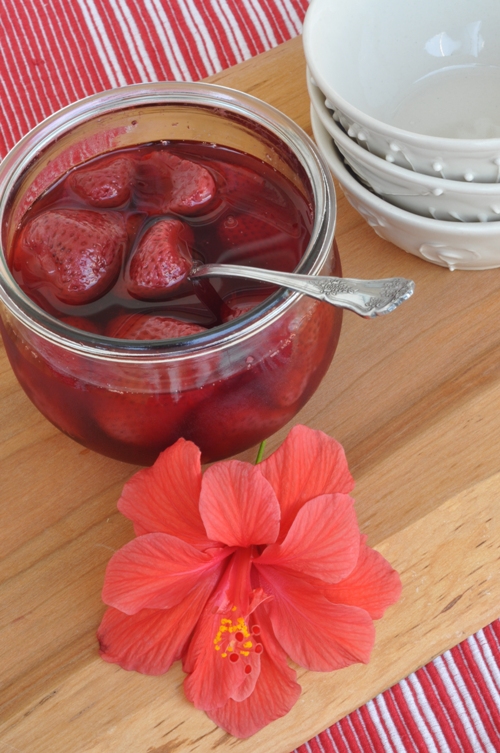
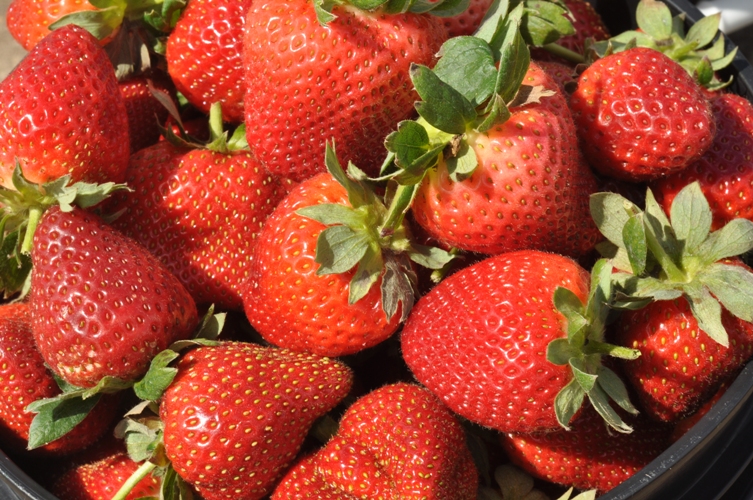
Preserving fruits whole is a great way to savour their natural flavours. We love peaches in light syrup and the pears always get eaten too quickly. So, while we are surrounded by juicy, sweet, ripe strawberries we thought we would try preserving them whole.
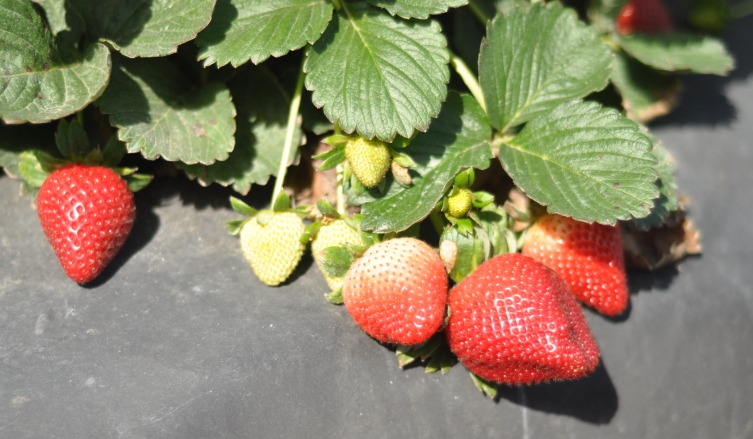
The process of preserving fruits in a sugar syrup is really simple and depending on the type of fruit you choose it can be simply a matter of washing the fruit, poking it a few times and covering in a boiling syrup that consists of nothing more than water and sugar. Plums are the easiest but we find that when it comes to whole fruits all of the recipes are straightforward and quick. This is a great place for new canners to begin.
RECIPE FOR WHOLE STRAWBERRIES IN SYRUP:
- 16 cups strawberries ~ tops removed (select berries that are similar in size and on the smaller side)
- 2 1/2 cups sugar
- Wash strawberries well and remove stems.
- Place strawberries and sugar in a large stainless steel saucepan and stir gently until all of the berries are well coated. Cover and set aside in a cool place for approximately 5 hours.
- Prepare for water bath canning.
- Heat berry and sugar mixture over medium low heat stirring gently to be sure not to break apart the berries. The sugar will dissolve, turning into the syrupy liquid that will cover the finished product and the berries should be heated through. Note: you want to make sure that the berries are warm right through this will help to prevent fruit float.
- Remove from heat and using a slotted spoon fill hot sterilized jars with strawberries. Ladle hot liquid into each jar, leaving 1/2″ headspace. Remove air bubbles and adjust headspace if necessary by adding more hot liquid. Note: if you do not have enough of the sugary liquid you can add boiling water.
- Wipe rims with a damp paper towel. Center lid on jar and screw band down to finger tip tight.
- Process 500mL jars for 10 minutes and 1L jars for 15 minutes in a boiling hot water bath.
- Remove lid and wait 5 minutes before removing the jars. Note: leaving the jars in the hot water bath rather than removing them quickly will help to prevent siphoning. Siphoning commonly occurs when there is a rapid change in temperature.
- Let cool, check seals, label, and store.
This was our first time preserving strawberries whole and we’ll admit we were not convinced that they would taste great. In fact, our strawberries floated slightly in the jars and their colour is faded. So before packing them up to take back home to Canada we decided to crack a jar and give them a taste. Mmmm…they’re good and despite their appearance in the jar we will be making these red little beauties again! Easy and delicious…it doesn’t get better than that.
Put up Total:
- 2 x 500mL Weck Tulip Jars
- 2 x 1 L Weck Tulip Jars


 Putting Up With The Turnbulls